

Origins of gambling: Ancient civilisations
The roots of gambling can be traced back to ancient civilisations, where various forms of games of chance emerged, and many enthusiasts today enjoy the thrill of the best online casino . Archaeological findings suggest that as far back as 3000 BC, the Chinese were using rudimentary dice made from animal bones to partake in games of luck. Similarly, the Egyptians had their own set of games, such as Senet, which incorporated elements of chance and strategy, indicating that the desire to gamble has been an intrinsic part of human nature for millennia.
In ancient Rome, gambling evolved further with the introduction of betting on gladiatorial contests and chariot races, showcasing the societal inclination toward wagering on competitive events. Romans played dice games in social settings, often using small stakes, while larger, more formal betting events attracted thrill-seekers from all walks of life. The interplay of chance and skill in these early games laid the groundwork for modern gambling practices.
Furthermore, these early gambling practices were not merely about winning money; they often served as a social activity that brought communities together. Rituals around gambling were intertwined with local customs and celebrations, suggesting a cultural significance beyond the mere act of betting. This historical perspective illustrates how gambling has evolved from simple games to complex systems involving strategy, community, and commerce.
The rise of formal gambling establishments
As societies advanced, so too did the structures surrounding gambling, leading to the establishment of formal casinos in the 17th century. The first dedicated gambling houses appeared in Italy, specifically in Venice, where the term «casino» originated. These establishments offered a variety of games, including card games and early versions of roulette, attracting a clientele eager for new forms of entertainment. The design and decor of these early casinos were luxurious, reflecting the elite status of their patrons.
By the 18th century, the concept of casinos began to spread across Europe, with France emerging as a leader in the establishment of lavish gambling venues. The Casino de Spa in Belgium and the famous Monte Carlo Casino in Monaco became symbols of opulence and glamour, attracting high society and tourists alike. This period marked a significant shift in gambling, as it transformed into a sophisticated leisure activity that appealed to wealth and status.

As formal gambling establishments gained popularity, laws and regulations began to take shape, aiming to control the gambling industry. Governments recognized the potential for revenue generation through taxation on gambling operations, leading to a more structured approach to gambling. This evolution set the precedent for modern regulatory frameworks that oversee contemporary casino operations worldwide.
The impact of technology on gaming
The late 20th century witnessed a technological revolution that dramatically reshaped the casino industry. The introduction of electronic gaming machines, such as slot machines, revolutionized the gambling experience, providing players with a fast-paced, engaging way to gamble. Initially, these machines were mechanical, but they quickly evolved into electronic models, offering exciting graphics and sound effects that heightened the thrill of play.
The internet further changed the landscape of casino gaming at the turn of the 21st century, leading to the rise of online casinos. With the ability to gamble from the comfort of home, players gained access to an expansive range of games that traditional casinos could not provide. Online platforms offered a unique experience, complete with live dealer options that brought the casino experience directly to players’ screens, fostering a sense of immersion in a virtual environment.
Mobile technology has also played a pivotal role in the evolution of casino gaming. With the proliferation of smartphones and tablets, players can now engage in gambling activities anytime and anywhere. Mobile optimization of casino games allows for seamless gameplay, making it easier for operators to reach a broader audience. This shift toward technology-driven gaming has not only broadened the market but has also introduced innovative gaming formats and loyalty programs that enhance player engagement and retention.
The modern casino experience
Today’s casinos offer a multifaceted experience that extends beyond traditional gaming. Modern establishments are designed to be entertainment hubs, providing a wide array of amenities such as fine dining, live performances, and luxury accommodations. Casinos have adapted to the changing preferences of consumers, focusing on creating environments that engage all the senses and provide patrons with a complete leisure experience.
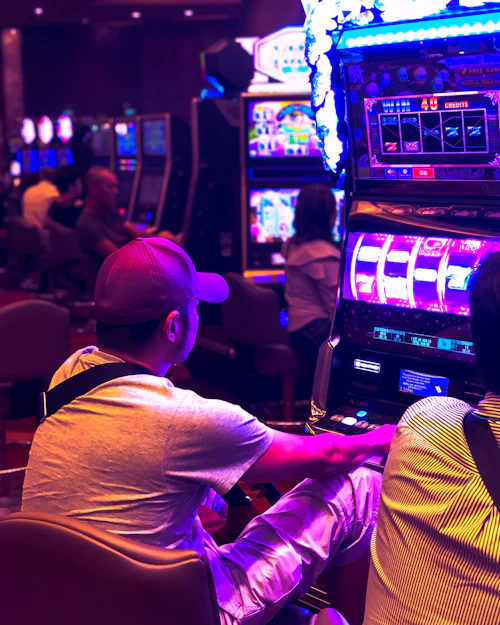
Furthermore, the integration of technology in modern casinos is evident in the implementation of advanced loyalty programs that track player behavior and preferences. These data-driven insights enable casinos to tailor their offerings effectively, enhancing the overall customer experience. The rise of cashless payment methods, such as digital wallets and mobile payments, has streamlined transactions, making it easier for patrons to gamble without the hassle of managing cash.
As the gaming landscape continues to evolve, the focus on responsible gambling practices is becoming increasingly important. Modern casinos are implementing programs to promote safe gaming, offering resources and support for individuals who may struggle with gambling addiction. This approach reflects a growing awareness of the social implications of gambling, ensuring that the entertainment provided is balanced with the well-being of players.
Exploring the future of casino gaming
The future of casino gaming is poised for further transformation as trends such as virtual reality (VR) and artificial intelligence (AI) gain traction. Virtual reality casinos are on the horizon, enabling players to immerse themselves in a completely virtual environment where they can interact with others and play games as if they were in a physical casino. This level of immersion promises to redefine how players experience gambling, pushing the boundaries of technology and entertainment.
Artificial intelligence is also set to play a key role in shaping the future of casinos. AI can enhance customer service through chatbots that provide instant assistance and support to players, ensuring a seamless gaming experience. Additionally, machine learning algorithms can analyze player data to predict preferences and tailor marketing strategies, revolutionizing how casinos engage and retain customers.
As the landscape evolves, it is essential for casinos to adapt to regulatory changes and societal expectations regarding responsible gaming. The incorporation of transparency and ethical practices will be vital in maintaining player trust and ensuring the sustainability of the industry. With a focus on innovation and player-centric approaches, the future of casino gaming promises to be an exhilarating journey.
